
Starborn
Where I look at Starfield before the big update

Rolled Credits Count: 3
Spoilers throughout the universe
Hype vs Reality
When Bethesda Game Studios, through the voice of its leader Todd Howard, announced back in 2018 that they were working on a game after Fallout 76 (which was the game they announced the same day to be released shortly thereafter), was not the next Elder Scrolls game, but instead was a new IP simply titled Starfield, and a brief glimpse at the interior of a spaceship, I was intrigued, but also annoyed and saddened.
Skyrim, Bethesda’s previous Elder Scrolls title released in 2011 (11/11/11 to be precise), and we, as gamers, had expected after Fallout 4 that it would be the next game they releeased, based on their prior cadence. Instead, however, they announced Fallout 76 and then Starfield, with Elder Scrolls 6 in the very infancy of pre-production.
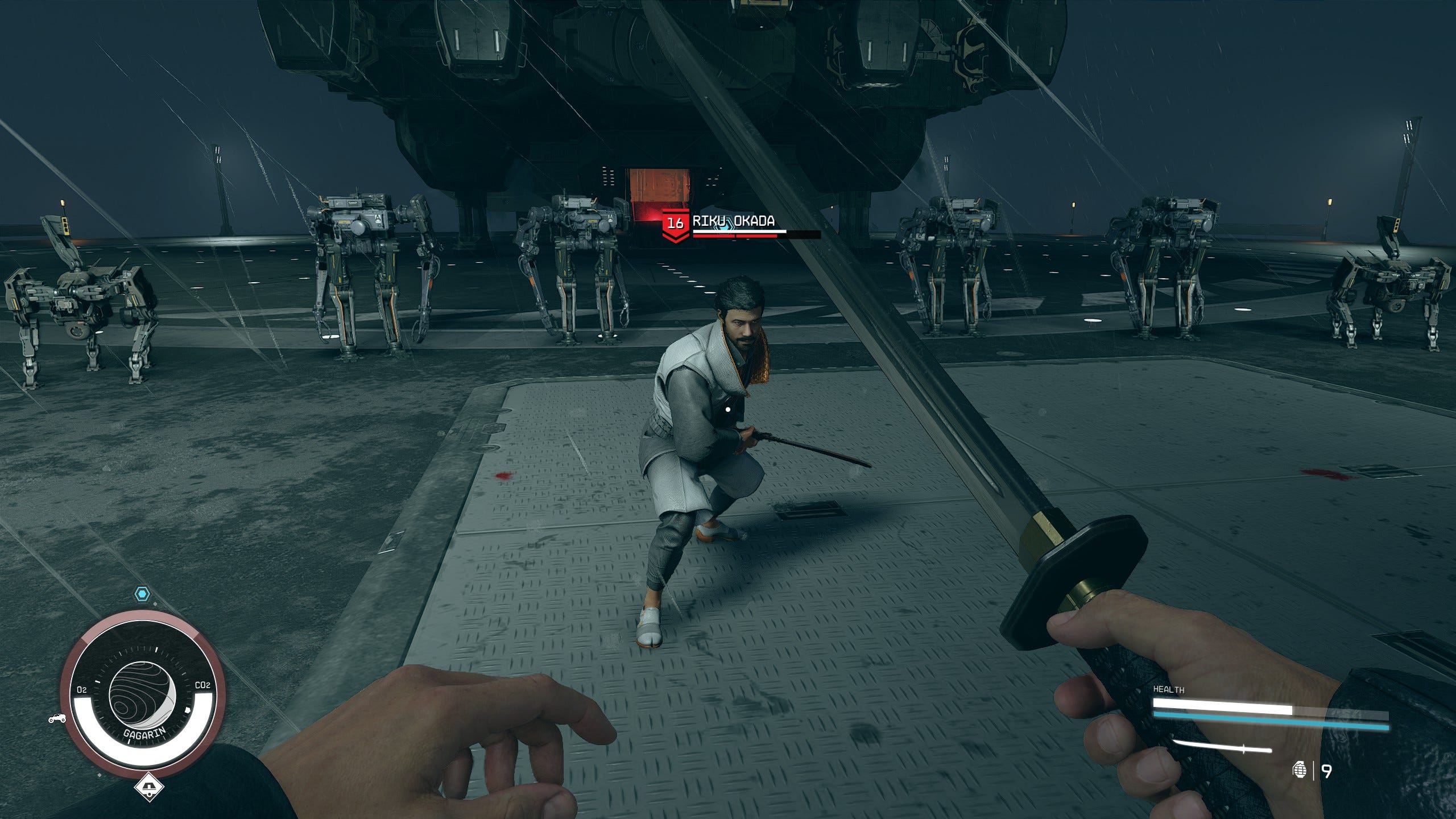
In subsequent years, and after the initially poor reception to Fallout 76, they worked to make Fallout 76 a more compelling game, and it has a pretty steady following now with regular updates. However, not for me. I prefer the truly solo experiences they cook up. So, knowing that Starfield would come out before TES 6, I tried my best to keep it out of my mind, and instead worked on hyping myself up to enjoy Starfield.
Sometime after the initial announcement and their continued efforts to put out the fires of Fallout 76’s less than stellar launch, they got to work on Starfield fully, and eventually it launched in 2023, after a significant delay from its originally planned release date; the first time in recent memory that Bethesda had externally announced and then delayed a game release.
In the lead-up to this, I knew that the space setting wasn’t really my vibe. I like space and Sci-Fi, but it’s second in genres to Fantasy, and by a wide margin. Nonetheless, I had faith in a single-player experience from Bethesda, even if it wasn’t my favorite genre, considering I also enjoyed Fallout 4 enough to put ~100 hours into it. I assumed that I would probably feel similarly about Starfield and at least get one full playthrough of it around launch, and then pretty much ignore it unless I was wanting a space adventure for some reason.
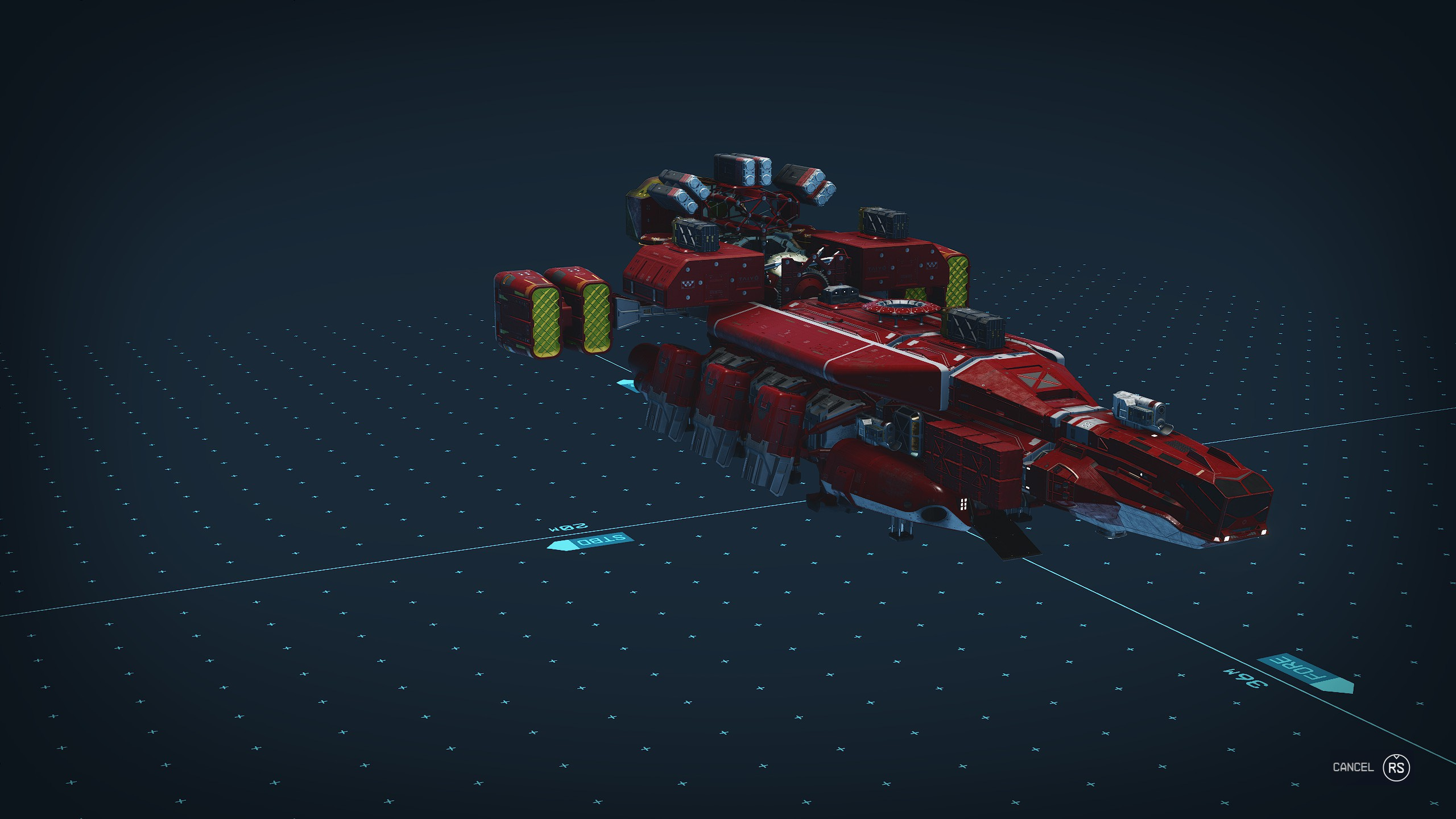
I stopped at around fifty hours. I felt as though I was just going through the motions after a while. The only part I truly enjoyed was the ship building, but even then, once I built a ship that was strong enough to take on any space encounter and had enough Grav Drive to move through the universe easily, I didn’t care to engage much with that other than the occasional upgraded weapon or shield module.
So I put it down after maybe a week of playing and proceeded to be bummed that it would likely be many more years until Elder Scrolls VI, and even then I started to question if Bethesda has simply lost its magic that I found in Skyrim.
Picking Back Up
In my journey to complete more games, I saw that Starfield would be getting a big update on April 7th and I wanted to complete the game before the new update. Once I booted the game up, I realized that I had done what had become commonplace in my gaming adventures, and one of the reasons I wanted to take on this challenge of completing more games in 2026, which is that I was only a few missions, and less than five hours from the end. In fact, it would probably only have been an hour if I hadn’t decided I wanted to collect as many artifacts as I could before taking the final leap to roll credits.
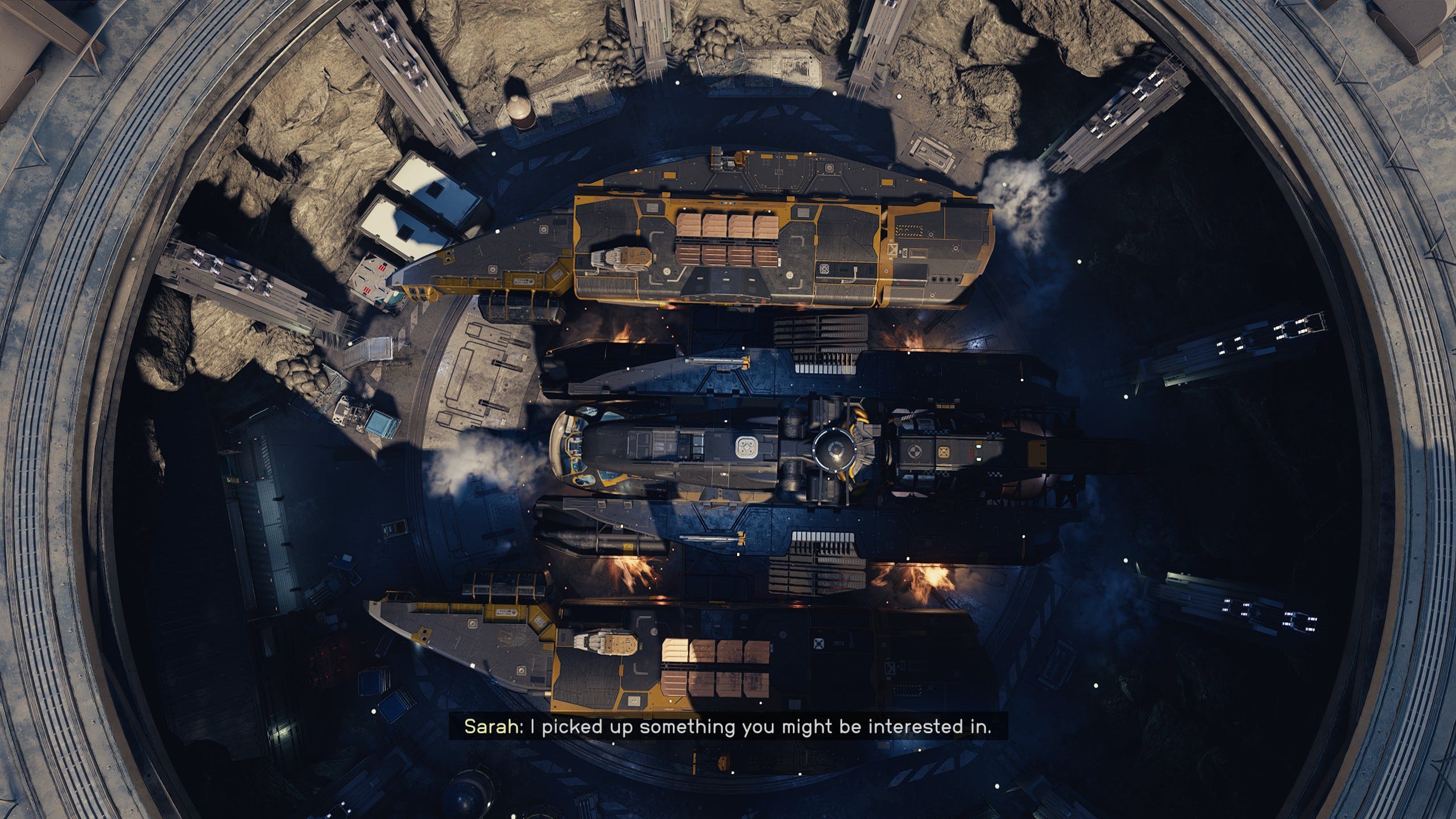
When I started playing again, I found that with so much distance form the last time I played Starfield, and removed from the negativity surrounding the launch of the game, I think it now holds a similar place in my mind as Fallout. It’s enjoyable and there are mechanics that I like engaging with, I found myself tinkering with the shipbuilding again, and found the combat to be a little more fun than before, but still nothing revolutionary. The space exploration remained essentially a mildly cumbersome fast-travel sequence to load in a new solar system, and the grav jumping felt less like a mechanic, and more like a chore. But, overall, I would still say I enjoyed my limited time in getting to the Unity.
New Game +
The big difference in how New Game + works, is that once you enter the UNity you have two options, go through it and start a New Game+, which is a new universe, different from the one that you had started in, or return back to your universe and continue to play in that space. The only thing you keep is the skills you’ve gained, and any artifact powers you have unlocked. Everything else disappears. Though that will change with the new update coming in just one day from now.
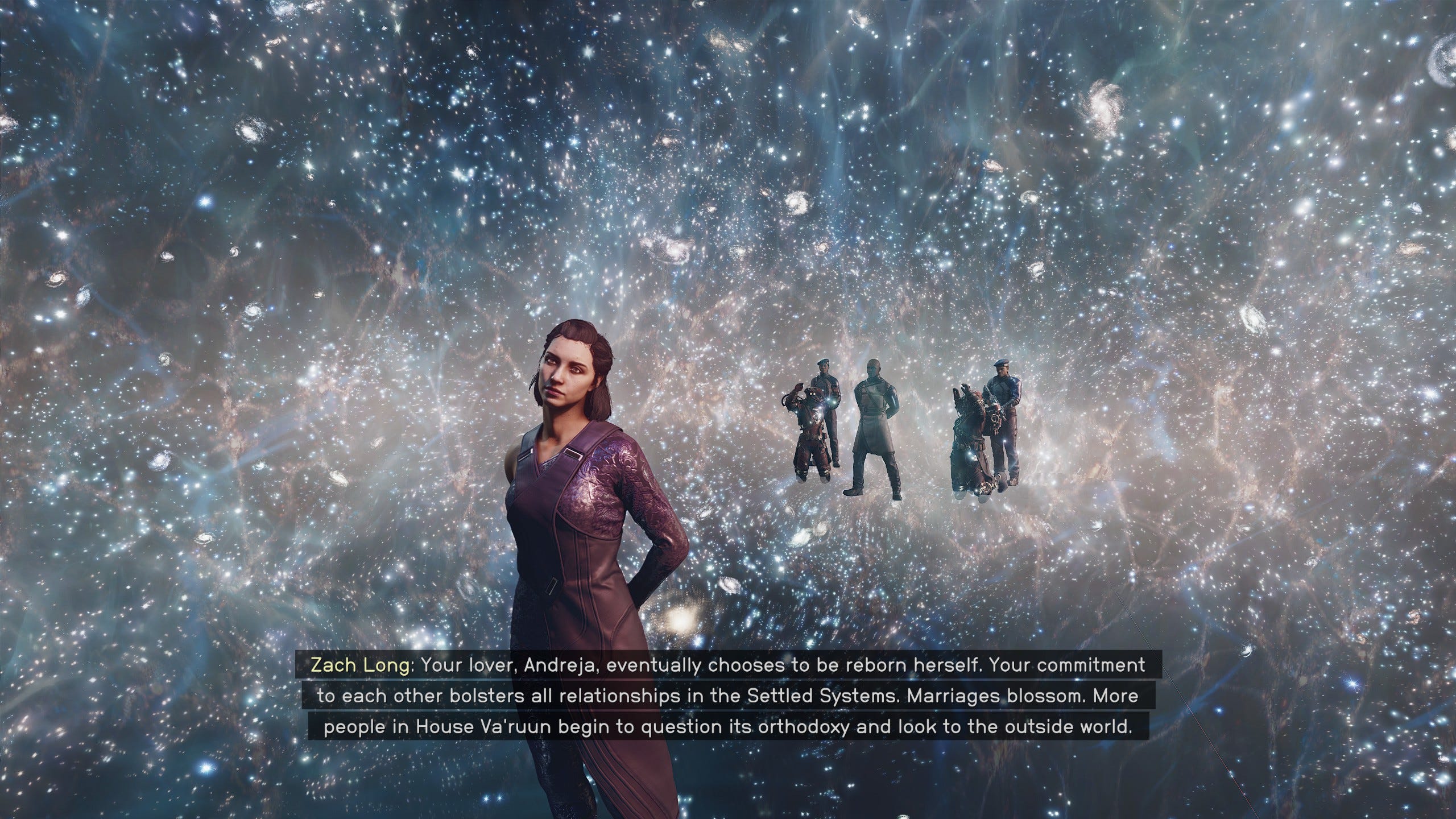
I have only just started the New Game +, and I’m using it as a reason to put some more time into the game with the Free Lanes update on April 7th. I’m curious to see how much it changes things, and if the changes I’ve seen will make exploring the cosmos more engaging and interesting. Only time will tell, and perhaps I’ll have another write-up about that this Friday.
The Experiment
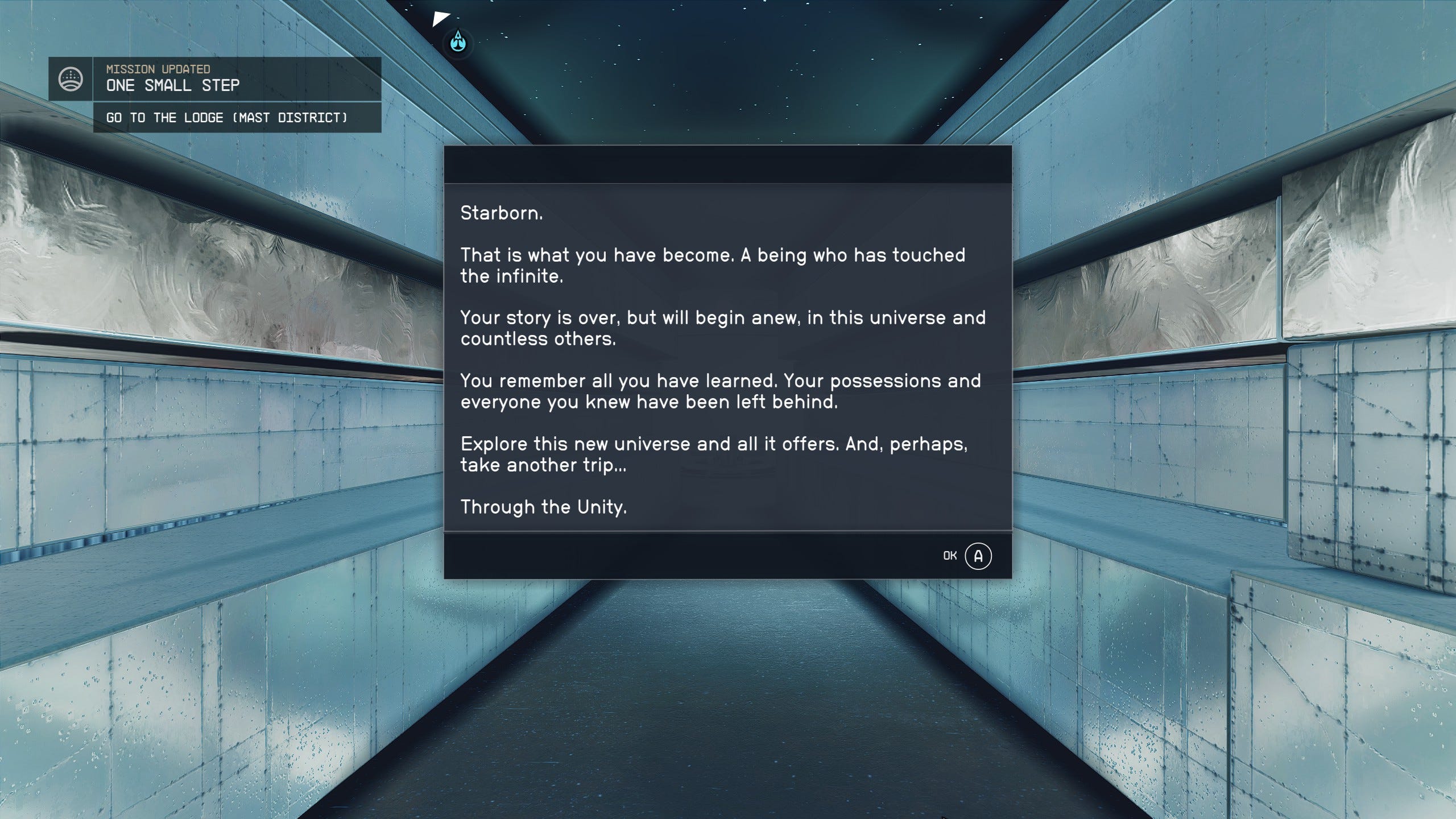
Playing Starfield again made me realize that the hype and expectation we put out into the world can really affect how we play these games. not every game is going to launch and be everything we hoped. I was hoping and expecting, in 2023, that Starfield would be the space game to get me more into the genre. I was expecting it to elevate the visual quality that was present in Skyrim in 2011, but seemingly absent in 2014’s Fallout 4, and while Starfield isn’t a bad-looking game, it certainly took some flak for not pushing the envelope forward and in fact looking like a slightly better version of Fallout 4, which by the time Starfield came out was 9 years old.
I think that Starfield was always meant to be an experiment for Bethesda. I think they wanted a break from TES and Fallout franchises, and I think they wanted to test new technology on a game that wasn’t a known quantity. Todd Howard has since mentioned that they developed Creation Engine 2 for Starfield, and have used what they learned on that to develop Creation Engine 3, which is being used to build out the next Elder Scrolls game. Which I think was the real goal. They know that TES VI will have the weight of the world on its shoulders, much like Rockstar is finding out with GTA VI later this year, how do you follow up what many gamers consider to be a masterpiece? At least they did at the time of Skyrim’s release in 2011.
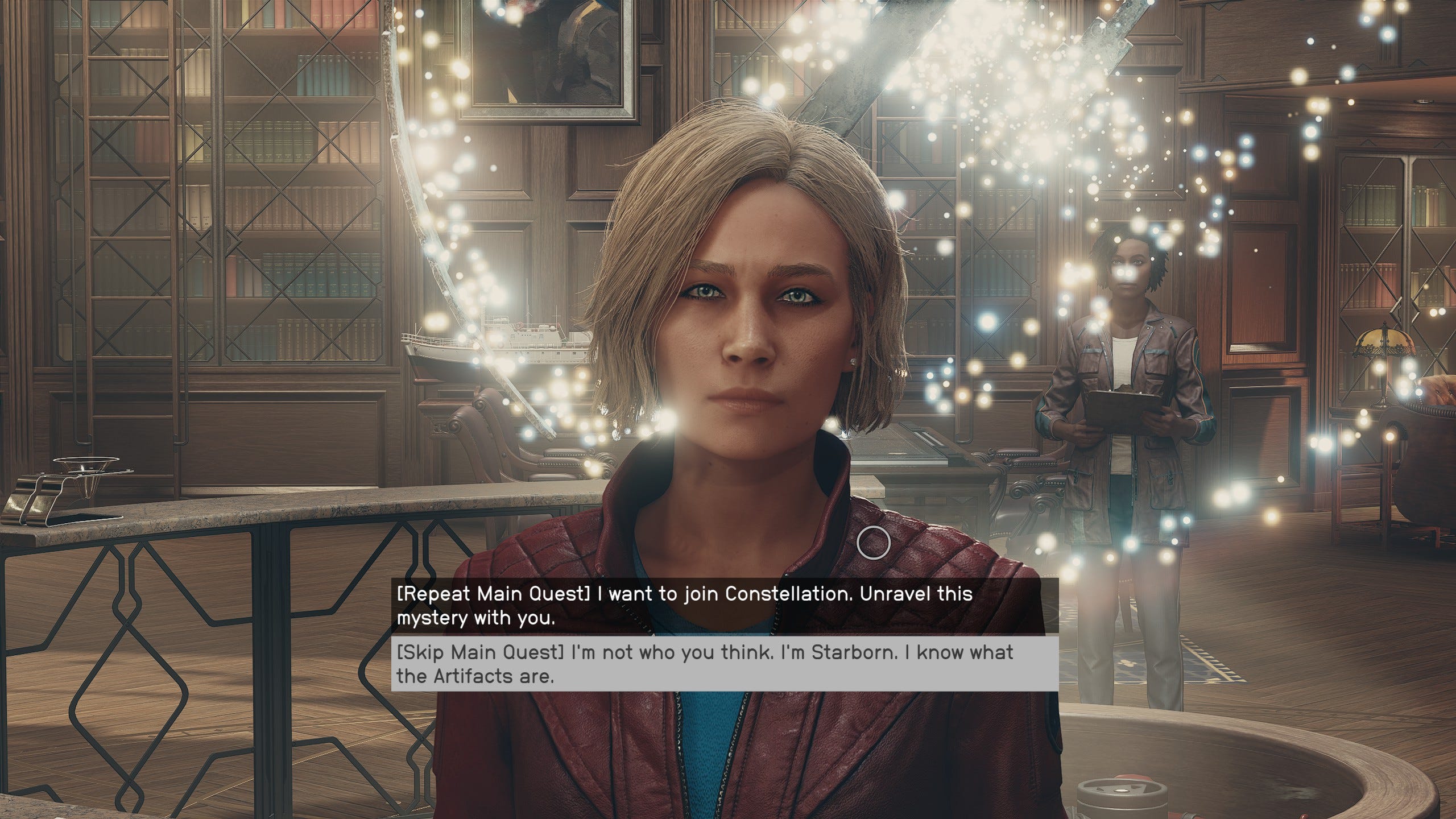
TES VI is going to have a similar amount of hype in the gaming world, and will have thrust upon it insane expectations from the jump. I think that with Starfield’s mediocrity and Fallout 76’s bumpy launch period, some people, including myself, will use this to remind ourselves to set realistic expectations for TES VI. After all, the gaming space, and RPG games in particular, are not the same games as they once were now that we’re post Baldur’s Gate 3. Hopefully Bethesda has been paying attention to the industry and their fanbase over the years since Starfield’s launch and will surprise us all and prove that they can still make an RPG masterpiece. But we’ll have to wait and see. My guess is we don’t see TES VI until at least 2028, but probably closer to 2029 or even 2030, and who knows what other awe-inspiring games will come out to shake up the western RPG outlook in the interim?